
演员
标签
三国电视剧简介
捕捉到一只野生的声优!不如我们……聊聊天吧!。男高中生小坂零对什么都没有兴趣,过着无聊的学校生活。某天,他看到同班同学——因为消极的言行被周围人孤立、经常割腕自杀的鹿野娜娜,在教室里埋葬蜂的死骸。自从意外目击到娜娜重视昆虫生命的一面后,小坂不断笨拙地与她进行交流,和她一起度过的时间也增加了。。Eburi is a 36 year-old man. Nothing enthuses him any more. While being drunk, he promises to contribute a story to a magazine. When he sobers down, he decides to write about the life of a salaried employee like himself who is very ordinary, not particularly talented. The following is his story: In 1949, Eburi gets married to Natsuko. His monthly salary is 8,000 yen and hers 4,000 yen. Therefore, both have to work to support themselves. Eburi has developed a habituIl tendency to pester around when he gets drunk. One year after their marriage, son Shosuke is born. In 1959, Eburi's mother dies in despair of her husband who has become listless due to the several ups and downs of gaining big profits and going bankrupt. His father is still alive and Eburi is enable to find a way to pay his father's debts. He is doubtful if he can make his wife and child happy. Nevertheless, he has somehow managed to survive so far, living in one of the houses at the employee housing quarters. He gives the title "The Elegant Life of Mr. Everyman" to his story of half novel and half essay style. When it is published, it receives the Naoki Literary Prize (the award given in memory of popular writer Naoki Sanjugo). At a party to celebrate his award, he gets drunk and pesters around. Notes The film is based on a novel written in the style of an essay under the same title by Yamaguchi Hitomi, depicting everyday life of a man categorized as "During-the-war Generation" who spent school days during the war and get married to start new life in the struggling post-war era. "Everyman" in the title means an average salaried employee who makes up an overwhelming majority of the city population in Japan, and "The Elegant Life" indicates sarcasm on betterment of the standard of living of ordinary salaried employees accompanied with Japan's economic growth after only a decade from the destroyed post-war period. As depicted in the film, the author Yamaguchi Hitomi was awarded the Naoki Literature Prize for this story. When he established himself well enough to become independent, he quit working as a salaried employee. Director Okamoto Kihachi and the leading actor Kobayashi Keiju belong to the same generation as the author. Exploiting innovative effects such as inserting animation sequences, the film humorously presents compassion of a middle-aged salaried employee. Kobayashi Keiju, who was originally noted for his excellent portrayal of salaried employee, won the best leading actor award of the Mainichi Film Contest for his superb performance in this picture.。
三国电视剧相关推荐

替嫁后,我靠爆笑吐槽拿捏腹黑王爷

夫妻的博弈 粤语版

禅王渡尘

同桌三年,结果对方竟然是校花

斗破苍穹合集篇

东北虎王是个磕巴

庶妹入府时,嫡女重生日

独守镖宅:携哑妹度荒年第二季

王妃别装了,本王非你不可

陆太太她曾是皇后

魔尊宠夫修炼手册

秦岭家园

岂有此理 2026

我叫任非凡

废太子胤礽:康熙朝的“囚徒”

帷中粉计,独获君怜

替嫁后霍总忽然躺不住了

开局死囚我撕圣旨镇北狄

揽月辞

暖阳般的救赎

王爷非要入赘我家

夫妻的博弈
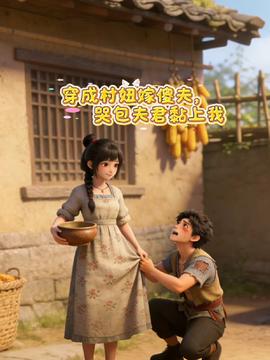
穿成村妞嫁傻夫,哭包夫君黏上我
